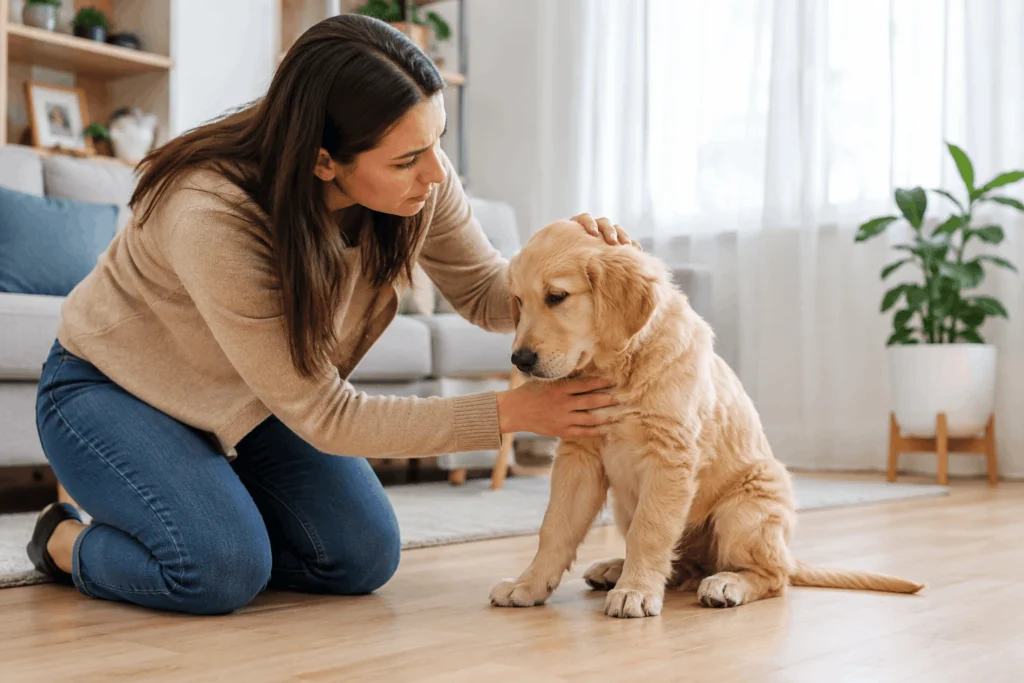
You just brought your puppy home, and somewhere between the potty training and the 3 a.m. whining, a bigger question hits you: when do puppies actually need their first shots, and what happens if you’re already behind? It’s one of the first real decisions you’ll make as a puppy parent, and getting the timing wrong isn’t a small mistake a delayed or skipped vaccine can leave your puppy exposed to diseases that are still common, still serious, and still largely preventable.
Here’s the good news: the vaccination schedule is more straightforward than it looks once someone walks you through it. Below is exactly when puppies need their first shots, why the timing is designed the way it is, and how to avoid the mistakes that trip up most first-time owners.
Medical disclaimer: This article is for general education only and is not a substitute for veterinary advice. Always follow the vaccination schedule your veterinarian builds for your individual puppy.
When Should Puppies Get Their First Shots? Quick Answer
Puppies should get their first round of vaccines at 6 to 8 weeks old. This first shot is usually a combination vaccine covering distemper, parvovirus, and other core diseases. Your puppy will then need booster shots every 3 to 4 weeks until they’re about 16 weeks old, with a rabies vaccine added between 12 and 16 weeks depending on your state’s laws. Skipping or delaying these boosters much like ignoring early vomiting or lethargy is one of the most common and most risky mistakes new owners make.

Puppy Vaccination Schedule By Age
Every veterinarian may adjust the exact plan slightly based on your puppy’s breed, health, and location, but most US clinics follow a version of this timeline (mild, short-lived diarrhea after a visit isn’t unusual, but persistent symptoms should always go to your vet):
| Puppy’s Age | Vaccines Typically Given | What to Expect |
|---|---|---|
| 6–8 weeks | First DHPP (distemper, hepatitis/adenovirus, parainfluenza, parvovirus) | First vet visit; weight check, deworming, and a physical exam usually happen the same day |
| 10–12 weeks | Second DHPP booster; leptospirosis vaccine often started here | Vet checks growth and may discuss lifestyle vaccines like Bordetella |
| 14–16 weeks | Final DHPP booster; rabies vaccine | Rabies is legally required in nearly every US state and is typically given once your puppy reaches 12 weeks or older |
| 12–16 months | 1-year booster for DHPP and rabies | This booster “locks in” long-term immunity before the schedule shifts to every 1–3 years |
Why the Timing Matters: Maternal Antibodies
New owners often ask, “Why can’t my puppy just get one shot and be done with it?” The answer comes down to biology, not bureaucracy.
Puppies are born with some protection borrowed from their mother, called maternal antibodies, passed on through her milk in the first days of nursing. Those antibodies protect a very young puppy, but they also block vaccines from working properly. The problem is that no vet can predict exactly when those maternal antibodies wear off in an individual puppy it can happen anywhere between 6 and 16 weeks of age.
That’s why puppies get a series of shots rather than a single dose. Each booster is a fresh attempt to “catch” your puppy’s immune system in the window after maternal antibodies fade but before exposure to disease. Skipping a booster can leave a gap where your puppy has neither the mother’s protection nor a working vaccine response. This is exactly why it helps to know the signs of a sick puppy during this vulnerable window.
Core Vaccines vs. Non-Core Vaccines
Not every vaccine is required for every puppy. Vets generally split them into two categories.
| Vaccine Type | Examples | Who Needs It |
|---|---|---|
| Core vaccines | Distemper, hepatitis/adenovirus, parvovirus, parainfluenza (DHPP), rabies, and under updated guidance from the American Animal Hospital Association leptospirosis in many regions | Recommended for every puppy, regardless of lifestyle |
| Non-core vaccines | Bordetella (kennel cough), canine influenza, Lyme disease | Recommended based on lifestyle: daycare, boarding, dog parks, grooming visits, or areas with tick exposure |
Your veterinarian will help you decide which non-core vaccines fit your puppy’s day-to-day life. A puppy heading to daycare twice a week has very different needs from one who mostly stays in a fenced backyard. Most vets also handle routine parasite prevention at these same visits, so it’s worth asking about your puppy’s deworming schedule too.

What Happens at Each Vet Visit
- First visit (6–8 weeks): Full physical exam, weight and growth check, first DHPP shot, and usually a stool sample check for intestinal parasites.
- Second visit (10–12 weeks): DHPP booster, discussion of lifestyle vaccines, and a chance to ask about spay/neuter timing.
- Third visit (14–16 weeks): Final DHPP booster plus the rabies vaccine, which is legally required in most US states once your puppy reaches the minimum age set by local law.
- One-year booster: A final round that confirms long-term immunity, after which most core vaccines shift to a less frequent schedule under your vet’s guidance.
How Much Do Puppy Shots Cost?
| Setting | Estimated Cost (Full Puppy Series) |
|---|---|
| General veterinary clinic | Roughly $75–$250, depending on region and which vaccines are included |
| Low-cost vaccine clinics or shelters | Often significantly lower per shot, though exam fees may be separate |
| AAHA-accredited hospitals | Tend to sit at the higher end due to stricter facility and care standards |
Many clinics bundle the full puppy series into a discounted package. Ask your vet’s office about payment plans or wellness packages before booking it’s common, and there’s no shame in asking.
Side Effects and When to Call Your Vet
Mild reactions are normal and usually resolve on their own within 24 to 48 hours. These can include:
- Soreness at the injection site
- Mild tiredness or reduced appetite
- A low-grade fever
Call your veterinarian right away if your puppy shows facial swelling, hives, repeated vomiting, difficulty breathing, or collapses after a vaccine. These reactions are rare, but they need prompt veterinary attention.

Expert Tips
- Keep a written record. Use a printed card or phone note to track every vaccine date vets ask for this at every visit, and boarding or daycare facilities will too.
- Avoid high-risk areas before the series is complete. Dog parks, pet stores, and busy sidewalks carry more exposure risk until your puppy’s immunity is fully built.
- Don’t stop socializing entirely. The American Veterinary Medical Association notes that controlled, low-risk socialization safe playdates with fully vaccinated, healthy dogs can still happen during the vaccine series.
- Book the next appointment before you leave the clinic. It’s the easiest way to avoid an accidental gap between boosters.
According to the American Veterinary Medical Association, controlled socialization with healthy, vaccinated dogs can safely continue during the vaccine series.
Common Mistakes New Puppy Owners Make
Mistake 1: Waiting too long for the first shot
Some owners delay the first vet visit past 8 weeks, thinking there’s no rush. This narrows the window your vet has to build immunity before maternal antibodies fully fade, and it delays every booster after it.
Mistake 2: Skipping a booster because the puppy “seems fine”
A puppy can look completely healthy and still be unprotected. The booster series exists precisely because there’s no outward sign of when maternal antibodies wear off.
Mistake 3: Assuming one shot equals full protection
A single dose rarely provides complete immunity. Full protection typically isn’t reliable until after the final booster in the series, roughly two weeks later.
Mistake 4: Skipping non-core vaccines without asking a vet
Owners sometimes assume Bordetella or leptospirosis vaccines are optional extras to save money. Depending on your area and your puppy’s lifestyle, your vet may consider one or more of these essential, not optional.
Frequently Asked Questions
What is the very first shot a puppy gets?
The first shot is usually a combination vaccine (DHPP) covering distemper, hepatitis/adenovirus, parainfluenza, and parvovirus, given between 6 and 8 weeks of age.
Can a puppy go outside before finishing all their shots?
Yes, with caution. Your puppy can walk in your own yard or a low-traffic area, but should avoid dog parks, pet stores, and unknown dogs until the full vaccine series is complete.
Is the rabies vaccine required by law?
Yes. Rabies vaccination is legally required in nearly every US state, typically given once a puppy reaches 12 to 16 weeks of age, depending on local law.
What if I missed a booster appointment?
Contact your vet as soon as possible. Depending on how much time has passed, your vet may restart part of the series rather than simply resuming where you left off.
Do small breed puppies need a different schedule?
The core schedule is generally the same across breeds and sizes, though your vet may adjust timing or dosing based on your puppy’s individual health and weight.
How long do puppy vaccines protect against disease?
After the full series and the one-year booster, most core vaccines protect for an extended period, after which many vets shift to a less frequent booster schedule rather than annual shots.
Are puppy shots painful for the puppy?
Most puppies feel a brief pinch and are back to normal behavior within minutes. Mild soreness at the injection site for a day or two is common and not a cause for concern.
Conclusion
The short version: puppies need their first shots at 6 to 8 weeks old, followed by boosters every 3 to 4 weeks until around 16 weeks, plus a rabies vaccine once they’re old enough under your state’s law. The schedule feels like a lot of vet visits in a short window, but each one is doing a specific job closing the gap left behind as maternal protection fades.
Your next step is simple: if your puppy hasn’t had their first vet visit yet, book it this week. If they’re mid-series, put every remaining booster date in your phone right now so nothing slips through the cracks.

Muzammil Khan is a certified canine behaviorist and the founder of Puppywhisper. With 8+ years of experience in positive reinforcement training, Muzammil has helped over 1,000 puppies transition smoothly into their new homes. All health advice is reviewed in collaboration with licensed veterinarians.