Your puppy just rolled in something suspicious in the backyard. You are holding the shampoo bottle, wondering if it is safe to bathe them again so soon. Or maybe your puppy has never had a bath, and you have no idea where to start.
Getting the bathing schedule wrong causes real damage. Bathe too often and you strip away the natural oils that protect your puppy’s delicate skin. Bathe too rarely and dirt, bacteria, and odor build up fast. The right answer depends on your puppy’s age, breed, coat type, and daily lifestyle.
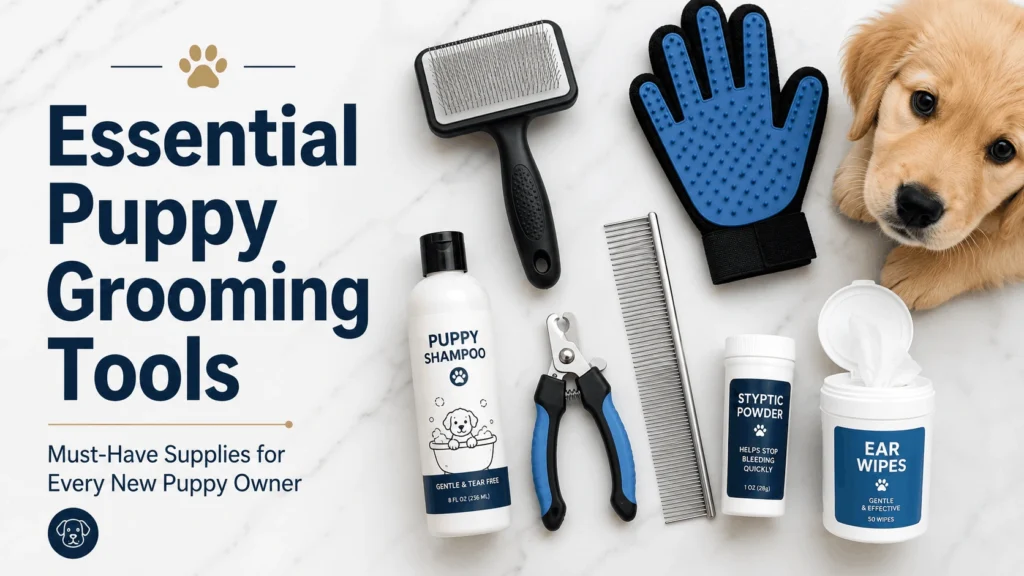
This article gives you the exact bathing frequency guidelines veterinarians recommend, plus the most important rules to keep your puppy’s skin healthy and their coat shiny. Pair this with our roundup of the best puppy grooming tools every new owner needs to make sure you have the right shampoo, brush, and towels on hand before bath day.
Quick Answer: How often should you bathe a puppy
Most puppies should be bathed once every 3 to 4 weeks. Puppies under 8 weeks old should not be bathed at all because they cannot regulate their body temperature. After 8 weeks, use a gentle tearless puppy shampoo and keep baths infrequent unless your puppy gets visibly dirty or develops an odor. Always dry your puppy thoroughly after every bath.
Why Bathing Frequency Matters More Than You Think
A puppy’s skin is dramatically different from adult dog skin. It is thinner, more sensitive, and produces natural oils that create a protective barrier against bacteria, allergens, and irritants.
When you bathe your puppy too frequently, those oils get stripped away. What follows is a cycle of dry, flaky, itchy skin that leaves your puppy uncomfortable and vulnerable to infections. Over-bathed puppies often develop hot spots, excessive scratching, and dull coats.
Under-bathing brings its own set of problems. Dirt, debris, and allergens trapped in the coat can cause skin irritation. Regular grooming and appropriate bathing keep your puppy’s skin pH balanced and their immune barrier intact.
Getting this balance right from the start builds healthy grooming habits that last your dog’s entire life.
The Proven Rule Every New Owner Needs
The Right Age to Start Bathing Your Puppy
Puppies younger than 8 weeks should never be placed in a bath. Their bodies cannot maintain a stable body temperature yet, which means a bath can lead to dangerous chilling even in a warm room.
If a young puppy gets dirty before 8 weeks, use a warm damp cloth to spot-clean the affected area only. Work quickly and keep the puppy warm immediately after.
Once your puppy reaches 8 weeks, you can safely introduce their first real bath. Keep the water comfortably warm, not hot, use a tearless puppy-safe shampoo, and make the entire experience calm and positive.
How Breed and Coat Type Change Everything
Not all puppies follow the exact same bathing schedule. Breed and coat type play a major role in how often bathing is truly necessary.
- Short-coated breeds such as Beagles, Boxers, and Dalmatians have low-maintenance coats that stay clean longer. Every 4 to 6 weeks is usually sufficient for these puppies.
- Double-coated breeds such as Golden Retrievers, Huskies, and German Shepherds have dense undercoats that trap dirt and debris. They often need baths every 3 to 4 weeks, with thorough brushing in between.
- Hairless or very short-coated breeds such as Chinese Crested or Italian Greyhounds have sensitive skin that requires gentle bathing every 1 to 2 weeks to prevent oil buildup.
- Curly or wavy-coated breeds such as Poodles and Doodles are prone to matting and may need baths every 3 to 4 weeks combined with regular brushing sessions.
Always brush your puppy thoroughly before bathing. Wet mats tighten and become nearly impossible to remove without causing pain.
Activity Level and Lifestyle Factors
A puppy who spends most of the day indoors on clean flooring stays cleaner longer than one who spends hours playing outside in mud, grass, or water.
Use your senses as your guide. If your puppy smells noticeably, looks visibly dirty, or has been rolling in something unpleasant, bathe them regardless of when the last bath was. A healthy, clean-smelling puppy who has been indoors for 4 weeks does not need an urgent bath simply because the calendar says so.

Step-by-Step Guide to Bathing Your Puppy Safely
Step 1: Gather everything before you begin. Collect your puppy-safe tearless shampoo, several absorbent towels, a non-slip mat for the sink or tub, and a cup or handheld sprayer. Having everything ready means you never need to leave your puppy unattended in the water.
Step 2: Brush your puppy’s coat completely. Remove all tangles, mats, and loose debris before the water touches them. Wet knots become tighter and harder to manage.
Step 3: Fill the sink or tub with warm water first. Test the temperature on the inside of your wrist. It should feel comfortably warm, not hot. Puppies have sensitive skin and are easily stressed by unexpected temperature changes.
Step 4: Place your puppy in the water gently and speak calmly. Keep your voice low and reassuring. Many puppies experience their first bath as something frightening. Your calm energy makes a dramatic difference in how they respond.
Step 5: Wet the coat thoroughly, avoiding eyes and ears. Use a cup or low-pressure sprayer to wet the fur from neck to tail. Avoid spraying directly into the face. Use a damp cloth to clean around the muzzle and eye area separately.
Step 6: Apply a small amount of tearless puppy shampoo. Work the shampoo gently into the coat using your fingertips. Massage from the neck toward the tail. Take care around the belly, paws, and tail base where dirt collects most.
Step 7: Rinse completely and thoroughly. Shampoo residue left in the coat is one of the most common causes of skin irritation in puppies. Rinse until the water runs completely clear. Then rinse once more.
Step 8: Dry your puppy immediately and completely. Wrap your puppy in a dry towel and gently pat the coat dry. Never rub vigorously as this causes tangles. If you use a blow dryer, set it to the lowest heat setting and keep it moving constantly. Never allow a wet puppy to sit in a cool environment.

5 Undeniable Benefits of Getting the Bathing Schedule Right
1. Healthier, stronger skin barrier. Appropriate bathing maintains the natural oils that protect your puppy’s skin from bacteria and allergens.
2. A shinier, better-looking coat. Clean, well-maintained coats reflect light and look visibly healthier than coats that are over-washed or neglected.
3. Early detection of skin issues. Regular but not excessive bathing means you inspect your puppy’s skin regularly. You catch lumps, rashes, parasites, or wounds before they become serious problems.
4. Reduced shedding and matting. Brushing before and after baths removes loose fur and prevents the tangles that cause discomfort and skin irritation.
5. A calmer, more cooperative puppy during grooming. Puppies introduced to bathing gently and consistently learn to tolerate and even enjoy the experience. This makes every future grooming session dramatically easier.
4 Common Bathing Problems (and How to Fix Them Fast)
Problem 1: Puppy panics in the water. Fear during baths is almost always caused by a negative first experience. Fix this by introducing bath time gradually. Let your puppy explore the empty tub, reward them with treats near the bath area, and make early sessions extremely brief and positive before introducing water.
Problem 2: Skin becomes dry and flaky after bathing. This almost always signals you are bathing too frequently or using a shampoo that is not formulated for puppies. Switch to an oatmeal-based or moisturizing tearless puppy shampoo and reduce bathing frequency immediately.
Problem 3: Shampoo irritates the eyes. Use a tearless formula specifically designed for puppies. Apply shampoo from the neck down only and use a damp cloth for the face. If irritation occurs, flush the eyes with clean water and contact your veterinarian if redness persists.
Problem 4: Puppy catches a chill after the bath. Always dry your puppy completely before allowing them into a cooler room. Puppies are particularly vulnerable to temperature drops. Use towels first and then a low-heat dryer if needed, especially during colder months.
7 Expert Tips for a Stress-Free Puppy Bath
Tip 1: Always use a non-slip mat in the sink or tub. Slipping causes panic and turns bath time into something your puppy dreads.
Tip 2: Keep the very first bath extremely short, around 5 minutes. The goal is simply to show your puppy that water is not dangerous.
Tip 3: Use high-value treats during and after every bath. Reward calm behavior generously. This creates a positive association that builds over time.
Tip 4: Never spray water directly at your puppy’s face. Always wet the face with a damp cloth instead.
Tip 5: Rinse longer than you think necessary. Shampoo residue is a surprisingly common cause of skin irritation that owners often blame on the shampoo product itself.
Tip 6: Check your puppy’s ears after every bath. Water trapped in the ear canal creates the ideal environment for bacterial and yeast infections. Use a dry cotton ball to gently absorb visible moisture. For the full cleaning process when more than a quick dry-out is needed, see our puppy ear cleaning tips guide.
Tip 7: If your puppy has a skin condition, chronic itching, or unusual odor that returns quickly after bathing, schedule a veterinary checkup. These symptoms can indicate allergies, parasites, or fungal infections that require professional treatment.

5 Critical Mistakes That Damage Your Puppy’s Skin
Mistake 1: Using adult dog shampoo or human shampoo on a puppy. Adult dog shampoos and human shampoos have pH levels that are completely wrong for puppy skin. They strip protective oils rapidly and cause serious irritation. Always use a shampoo specifically formulated for puppies.
Mistake 2: Bathing before 8 weeks of age. Puppies this young cannot regulate body temperature effectively. Even a slightly cool room after a bath can cause dangerous chilling. Spot-clean with a warm cloth instead.
Mistake 3: Skipping brushing before the bath. Water causes matted fur to tighten dramatically. Brushing before every bath prevents painful tangles and makes the entire grooming process faster and more comfortable.
Mistake 4: Leaving the coat damp after the bath. A puppy left damp in a cool environment is at risk of chilling and can develop skin odors from bacterial growth. Dry completely every single time.
Mistake 5: Bathing more often than necessary because the puppy smells. Frequent bathing to combat persistent odor is often counterproductive. If your puppy smells bad within days of a bath, the problem may be a skin infection, ear issue, or dental problem that bathing alone will not solve. See your veterinarian.
Frequently Asked Questions
How often should you bathe an 8-week-old puppy?
Once every 3 to 4 weeks is appropriate for an 8-week-old puppy. Keep the first bath brief, use warm water, and choose a tearless puppy-specific shampoo. Always dry your puppy completely right after the bath.
Can I bathe my puppy once a week?
Bathing a puppy once a week is too frequent for most breeds and will strip away the natural oils that protect the skin. Unless a veterinarian has recommended more frequent bathing for a specific medical reason, stick to every 3 to 4 weeks.
What happens if I never bathe my puppy?
Skipping baths entirely leads to dirt and debris accumulation, unpleasant odors, increased risk of skin irritation, and a coat that becomes difficult to brush and maintain. Regular but not excessive bathing is essential for hygiene and skin health.
What is the best shampoo for a puppy’s first bath?
Look for a tearless, pH-balanced shampoo specifically formulated for puppies. Oatmeal-based formulas are especially gentle for sensitive skin. Avoid any product containing parabens, sulfates, or artificial fragrances.
Should I bathe my puppy before or after vaccinations?
It is generally advisable to wait at least 48 hours after any vaccination before bathing your puppy. Your veterinarian can give specific guidance based on your puppy’s health status and the type of vaccine given.
How do I know when my puppy needs a bath?
Trust your nose and eyes. A noticeably unpleasant odor, visibly dirty coat, or a puppy who has been rolling in something outdoors are all reliable signs a bath is needed. Healthy indoor puppies may not need bathing more than once monthly.
Can I use baby wipes to clean my puppy between baths?
Unscented, alcohol-free pet-safe wipes are a practical way to spot-clean paws, underbelly, and muzzle between baths. Avoid regular human baby wipes because the pH and ingredients are not formulated for dog skin.
Does breed size affect how often I should bathe my puppy?
Yes. Smaller breeds often have more sensitive skin and may need gentler, less frequent bathing. Larger active breeds that spend time outdoors may need baths more regularly due to greater exposure to dirt and odors.
Conclusion
Bathing your puppy correctly is one of the simplest and most impactful things you can do for their long-term health and comfort. For most puppies, once every 3 to 4 weeks strikes the right balance between hygiene and skin protection. Always factor in your puppy’s age, coat type, and lifestyle when deciding on a schedule.
Use a tearless puppy-specific shampoo, dry your puppy completely after every bath, and watch for any signs of skin irritation or persistent odor that might indicate an underlying health issue. For additional breed-by-breed guidance, the AKC’s overview on how often to bathe your dog is a useful reference as your puppy grows into adulthood. When in doubt, your veterinarian is always your most reliable source of personalized advice for your specific puppy.

Muzammil Khan is a certified canine behaviorist and the founder of Puppywhisper. With 8+ years of experience in positive reinforcement training, Muzammil has helped over 1,000 puppies transition smoothly into their new homes. All health advice is reviewed in collaboration with licensed veterinarians.